
Accidents, ranging from entrapments to explosions, are a common occurrence in the mining sector. Every aspect of the mining system, including extraction, haulage and waste management, poses safety risks. In addition to the effects these accidents can have on miners, they can have adverse environmental impacts.
To mitigate the risks of mining accidents and their associated effects, mining companies must adhere to stringent mining regulations, including those set by the Mine Safety and Health Administration (MSHA).
What Is Mining Safety?
Mining safety encompasses the specialized practices, procedures and measures put in place to protect the health and well-being of miners. In addition to promoting safety for miners, mining safety measures foster effectiveness and efficiency.
The mining industry poses some of the highest occupational safety risks. In 2024, there were 28 fatalities resulting from accidents in the mining industry. While this number is high, it represents an improvement from the years preceding the establishment of MSHA and stricter standards for mining safety.
Key Components of Mining Safety Standards
Mining involves an elaborate system of processes ranging from exploration and excavation to transportation and processing. Mining safety standards serve as a guideline covering safety management across the various stages of mining. Explore some of the key components of MSHA safety standards below.
Risk Assessment and Management
Companies should conduct thorough risk assessments before commencing mining operations. The goal is to identify hazards of physical, chemical or geographic natures, including toxic gases, flooding, landslides and noise exposure.
The next step after identifying these risks is to develop detailed strategies to manage them effectively. This process involves creating operating plans and protocols, including ventilation and roof control plans. Mining companies are also required to prepare and implement a detailed emergency response plan, according to 30 CFR 75.1502, to ensure the safe and timely evacuation of miners.
Extensive Worker Training
To support safety at every stage of mining, workers at all levels must receive appropriate ongoing training that covers aspects relevant to their job performance. Training should cover everything from operational protocols and hazard recognition to safe equipment handling and emergency response. Some necessary topics to cover in training include:
- Hazard recognition and risk assessment training
- Use of PPE
- Safety equipment training, including the use of blast mats and containment tanks
- Emergency preparedness and response training
- Mine evacuation training
Use of Safety Equipment and PPE
Safety equipment, such as blast mats and containment tanks, is a nonnegotiable requirement in mining. These pieces of equipment are necessary for the following reasons:
- To keep miners safe and minimize the possibility of a mine collapse.
- To mitigate the risks of chemical accidents and protect equipment from damage.
- To protect miners from potential injuries.
- To comply with MSHA regulations.
In addition to safety equipment, PPE is necessary for mitigating the risk of mining injuries. Studies have shown that the appropriate use of PPE can prevent 37.6% of occupational diseases and injuries. Beyond providing PPE for miners, mining companies must regularly inspect and replace expired PPE. Failing to do so exposes miners to the risk of injuries from unexpected PPE failure.
Noise Control Standards
Hearing loss is common among miners due to prolonged exposure to machine noise. According to the CDC, one out of four miners has a hearing problem. To mitigate this risk, MSHA oversees compliance with noise control standards under 30 CFR Part 62. These standards encompass noise management practices, regular hearing tests and the provision of adequate ear protection for miners.
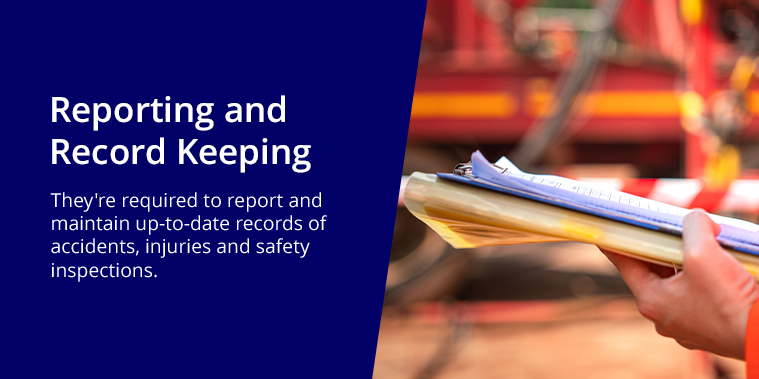
Reporting and Record Keeping
To ensure mining companies are upholding the standards for a safe mining environment, they’re required to report and maintain up-to-date records of accidents, injuries and safety inspections. These records must be available during regular assessments.
Importance of Mining Safety Standards and Compliance
The goal of mining safety standards is to reduce the risks associated with mining operations. Mining companies that adhere to these standards uphold compliance while experiencing various advantages.
Increased Protection of Human Lives
By upholding MSHA standards and other necessary regulations, mining companies can mitigate operational risks and protect their employees’ lives. Organizations can demonstrate a commitment to the well-being and safety of their team members.
Enhanced Productivity
Productivity thrives when mining safety standards are upheld. Here are several ways in which MSHA compliance enhances productivity:
- Reduced downtime: Mining accidents typically result in downtime. Compliance with mine safety regulations helps minimize accidents and keeps operations up and running. With reduced downtime, you can drive continuous high performance while effectively meeting deadlines.
- Reduced absenteeism: Mining accidents typically result in employee absences that impact productivity. Studies show that serious accidents can lead to long periods of absence, spanning between one month and a year. Compliance with mining standards helps to protect miners and reduce absenteeism caused by accidents.
- Improved morale: When you prioritize the safety of miners, they experience improved morale, allowing them to focus on their work without worrying about accidents.
Improved Brand Reputation
Compliance with MSHA standards demonstrates a company’s commitment to the safety and well-being of its workers. This builds trust with customers, partners and stakeholders who are committed to ethical business practices. As an added advantage, it contributes to the prevention of negative publicity associated with accidents, injuries and fatalities.
Consequences of Noncompliance With Mining Safety Standards
Noncompliance with MSHA mining safety standards comes with certain repercussions, including:
- Fines: Depending on the severity, MSHA can impose fines ranging between $112 and $242,000 per violation.
- Operational shutdown: MSHA can halt operations at a site where violations are identified, pending implementation of corrective measures. Shutdowns result in costly downtime and project delays.
- Loss of mining license: If corrective measures aren’t implemented after a warning is issued, it may result in the revocation of mining licenses.
Uphold Mining Safety Standards With the Right Equipment
Mining safety standards are more than regulations to be followed. They’re systems designed to support worker protection and maintain productivity in mining operations.
At TM International, LLC, we help companies like yours prioritize worker safety. We offer a range of blast protection products, from blast mats and containment tanks to blast walls and barriers, all designed to keep your workforce protected. Contact us today to learn more.